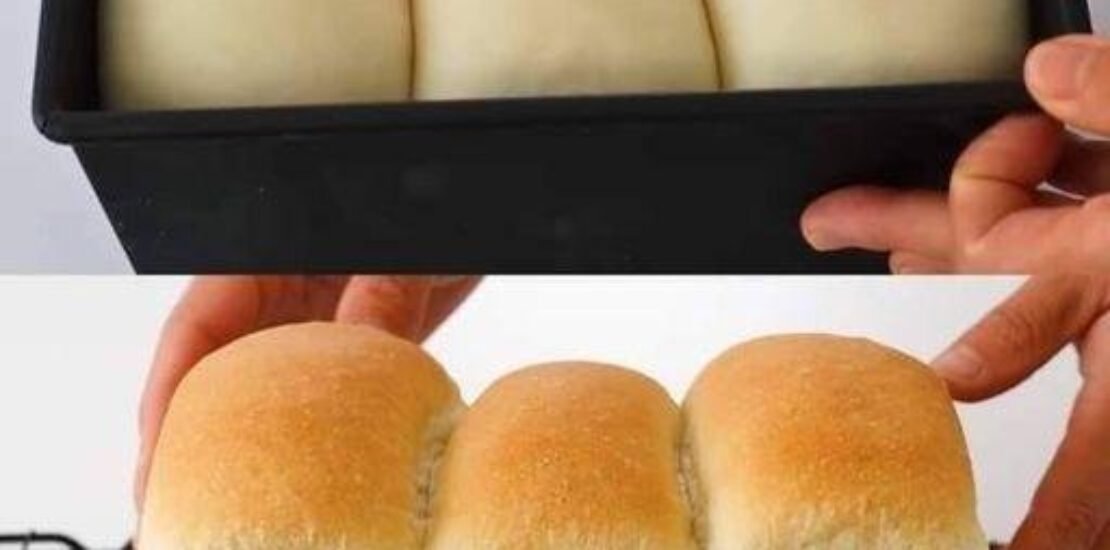
Easy Homemade Bread: A Warm and Simple Delight from Your Kitchen
Introduction
There is something timeless and deeply satisfying about the process of baking your own bread. The warm aroma that fills the kitchen, the anticipation as it rises, and the joy of slicing into a freshly baked loaf — it all speaks to a simpler, nourishing way of life. In an age of fast food and instant meals, homemade bread is a return to roots — a comforting reminder that with a few basic ingredients and a little time, we can create something truly special.
Making bread at home may seem intimidating, especially for beginners. The thought of kneading, proofing, and perfecting a loaf can conjure images of advanced techniques and complicated tools. But the truth is far simpler. With just flour, water, yeast, salt, and a touch of patience, anyone can bake a soft, golden loaf that rivals those found in bakeries. This recipe is designed to be approachable, forgiving, and incredibly rewarding.
Whether you’re new to baking or looking for a reliable go-to recipe, this easy homemade bread will become a favorite. It’s versatile, requiring only one rise, and doesn’t need a bread machine or stand mixer — just your hands and a bowl. The crust is golden and crisp, while the interior is soft, tender, and perfect for slicing. Great for toast, sandwiches, or just warm with butter, this bread will quickly earn a permanent spot in your kitchen.
In this comprehensive article, we’ll explore everything you need to know to successfully bake homemade bread. From selecting ingredients and equipment, to understanding the science behind rising and baking, to variations that add flavor and texture — this is your all-in-one guide to easy homemade bread.
Let’s begin the journey to filling your home with the delicious aroma of freshly baked bread.
Recipe: Easy Homemade Bread
Ingredients
For one standard loaf:
-
3 ½ cups (420g) all-purpose flour or bread flour
-
1 ¼ cups (300ml) warm water (about 100°F or 38°C)
-
2 ¼ teaspoons (7g) active dry yeast (or one packet)
-
1 tablespoon (15ml) olive oil (optional, for softer texture)
-
1 ½ teaspoons salt
-
1 tablespoon sugar or honey (optional, helps feed the yeast)
Optional toppings: sesame seeds, rolled oats, or coarse sea salt
Step-by-Step Instructions
Step 1: Activate the Yeast
In a large mixing bowl, combine the warm water (not hot!) and the sugar or honey, stirring to dissolve. Sprinkle the active dry yeast over the top and let it sit for 5–10 minutes, until it becomes frothy.
Tip: If the yeast doesn’t foam, your water might have been too hot (which kills yeast) or the yeast may be expired. Start again with fresh yeast.
Step 2: Mix the Dough
Once the yeast is bubbly, add the salt, olive oil (if using), and about half of the flour. Stir with a wooden spoon or spatula until a thick batter forms. Gradually add the remaining flour, about ½ cup at a time, mixing until it becomes a shaggy dough.
Note: You may need slightly more or less flour depending on humidity and flour type.
Step 3: Knead the Dough
Transfer the dough to a lightly floured surface and knead by hand for 8–10 minutes until it becomes smooth and elastic. If the dough is sticky, sprinkle with a bit more flour as needed — but avoid adding too much, as this can make the bread dense.
Kneading tip: Use the heel of your palm to push the dough forward, fold it back, turn it 90°, and repeat.
You can also use a stand mixer with a dough hook for 5–6 minutes if preferred.
Step 4: Let It Rise
Place the kneaded dough into a lightly oiled bowl, turning it once to coat. Cover the bowl with a clean towel or plastic wrap and let it rise in a warm, draft-free area for about 1 to 1.5 hours, or until doubled in size.
Ideal temperature for rising is around 75–80°F (24–27°C). You can place it inside an unheated oven with the light on or on top of a warm appliance.
Step 5: Shape the Dough
Once the dough has doubled, punch it down gently to release gas. Turn it out onto a floured surface, flatten it slightly into a rectangle, and roll it into a log shape.
Place the log seam-side down into a greased 9×5-inch loaf pan. Cover it loosely and let it rise again for about 30–45 minutes, until the dough rises just above the edge of the pan.
Test for readiness: Gently press a fingertip into the dough — if the indentation springs back slowly, it’s ready to bake.
Step 6: Bake
Preheat your oven to 375°F (190°C). Bake the bread for 30–35 minutes, until the top is golden brown and the loaf sounds hollow when tapped on the bottom.
You can also use a thermometer — the internal temperature should be around 190–200°F (88–93°C) when fully baked.
Step 7: Cool
Remove the bread from the oven and carefully take it out of the pan. Let it cool on a wire rack for at least 30 minutes before slicing.
Important: Cutting too soon can result in gummy slices, as steam hasn’t fully escaped.
Bread Tips & Troubleshooting
Why Didn’t My Bread Rise?
-
Yeast is inactive: Use fresh yeast.
-
Water was too hot: Always use lukewarm water.
-
Environment was too cold: Rise in a warm, draft-free spot.
My Bread Is Dense
-
Not enough kneading — gluten wasn’t developed.
-
Used too much flour.
-
Didn’t rise enough.
Bread Crust Too Hard or Dark?
-
Oven temperature may be too high.
-
Cover with foil halfway through baking if browning too quickly.
Additions and Variations
Once you master the basic dough, you can experiment with different flavors and textures. Here are some delicious variations:
1. Whole Wheat Bread
Replace half the flour with whole wheat flour for added fiber and a heartier taste.
2. Herb & Garlic Bread
Add 1 teaspoon of dried herbs (rosemary, thyme, or oregano) and 2 cloves minced garlic during mixing.
3. Cheese Bread
Fold ½ cup of shredded cheese (cheddar, mozzarella, or parmesan) into the dough before the first rise.
4. Sweet Cinnamon Swirl
Roll out dough into a rectangle, spread with butter, cinnamon, and sugar, then roll up before second rise.
5. Seeded Bread
Sprinkle sesame, poppy, or sunflower seeds on top after brushing loaf with egg wash before baking.
How to Store Homemade Bread
-
Room Temperature: Wrap in a clean kitchen towel or place in a bread bag. Best within 2–3 days.
-
Freezing: Let the bread cool completely, slice, and freeze in a zip-top bag. Toast slices directly from frozen.
-
Avoid refrigeration: It dries out the bread faster.
Serving Suggestions
-
Morning toast with butter and jam
-
Grilled cheese sandwiches
-
Pan-fried croutons for salads
-
French toast with maple syrup
-
Bread pudding with stale slices
Nutritional Benefits
Homemade bread allows you to control the ingredients, meaning fewer preservatives, no artificial flavors, and reduced sodium or sugar content. Using whole grains, seeds, and natural sweeteners can elevate the nutritional profile further.
Why Make Bread at Home?
1. Cost Savings
A loaf of homemade bread costs a fraction of store-bought versions.
2. No Unwanted Additives
Many commercial loaves contain dough conditioners, artificial softeners, or unnecessary sugars.
3. Therapeutic Process
Kneading dough and baking from scratch is meditative and rewarding.
4. Perfect for Family & Gifting
Nothing says “welcome” or “I care” like a warm, homemade loaf of bread shared with loved ones.
Conclusion
There’s something beautifully elemental about baking your own bread — the alchemy of turning flour, water, and yeast into something warm and nourishing. This easy homemade bread recipe strips away the complexity and intimidation, delivering a straightforward, fail-proof method for making a delicious loaf from scratch.
Whether you’re an experienced home cook or a complete beginner, this bread is a gateway to the wonderful world of home baking. You’ll gain not only a new skill, but also the confidence that comes with creating something by hand — a slice of satisfaction in every bite.
The aroma of fresh bread in your kitchen, the joy of watching it rise, the first warm slice with melting butter — these are everyday luxuries within your reach. Try it once, and you may never go back to store-bought again.
So, tie on your apron, dust the countertop with flour, and let your kitchen become a bakery of your own. Happy baking!