Boneless Skinless Chicken Breast: The Ultimate Guide, Recipe, and Everything You Need to Know
Introduction
Boneless skinless chicken breast has become one of the most widely consumed proteins in the world, beloved for its versatility, mild flavor, lean nutritional profile, and ease of preparation. Whether you are a novice home cook discovering the world of meal prep or a seasoned culinary enthusiast striving to perfect everyday dishes, chicken breast remains a reliable canvas for creativity. It is the type of ingredient that adapts to countless cooking methods — grilling, baking, sautéing, poaching, air frying, slow cooking, pressure cooking, and even sous-vide — all while delivering tender, juicy, and wholesome results when handled correctly.
Despite its simplicity, boneless skinless chicken breast is often misunderstood. Many people struggle with overcooked, rubbery, or dry results because the meat is naturally lean and contains very little fat. Yet this very quality makes it a nutritional powerhouse: low in calories, high in protein, easy to digest, and suitable for a wide array of dietary preferences including keto, low-fat, high-protein, gluten-free, and heart-healthy lifestyles.
In this comprehensive article, we will explore everything that makes boneless skinless chicken breast such an essential ingredient. We will look at its culinary benefits, shopping and storage tips, flavor-pairing principles, common pitfalls, pro techniques for achieving perfect tenderness, and finally, a detailed, step-by-step recipe for a foolproof, ultra-juicy chicken breast you can prepare any day of the week.
By the end of this guide, you will not only have a reliable recipe but also the confidence to transform a basic piece of chicken into restaurant-quality meals bursting with flavor and moisture. Whether you prefer your chicken breast grilled to perfection, pan-seared with golden crust, roasted with herbs, or marinated with bold spices, this article offers insights that will elevate your cooking forever.
Understanding Boneless Skinless Chicken Breast
Why Chicken Breast Is So Popular
Chicken breast has earned its global popularity because it strikes the perfect balance between healthy eating and delicious flexibility. It absorbs marinades quickly, cooks in less than 20 minutes, and pairs well with virtually any cuisine — Mediterranean, Asian, Mexican, Indian, American, Middle Eastern, and more. Its neutral taste allows the flavors of herbs, spices, sauces, and aromatics to take center stage.
Whether you’re preparing a quick weeknight dinner, a meal-prep session for the entire week, or a special dish for guests, boneless skinless chicken breast fits seamlessly into every scenario.
Nutritional Benefits
A typical 100-gram portion of cooked boneless skinless chicken breast contains:
-
165 calories
-
31 grams of protein
-
3.6 grams of fat
-
0 grams of carbohydrates
This makes it one of the leanest protein options available. The low fat content is ideal for maintaining heart health while the high protein content supports muscle repair, weight management, and satiety.
Culinary Benefits
-
Fast cooking time
-
Mild flavor adaptable to any seasoning
-
Excellent for marinades
-
Great hot or cold (salads, wraps, sandwiches)
-
Works with almost every cooking method
-
Kid-friendly and widely accessible
How to Choose the Best Boneless Skinless Chicken Breasts
Selecting quality chicken is the first step toward achieving a delicious final dish. A few characteristics to look for include:
1. Color
Opt for chicken breasts that are pale pink and moist. Avoid pieces that appear grayish, dull, cloudy, or excessively wet.
2. Texture
The breast should feel firm yet springy to the touch — not mushy or slimy.
3. Thickness
Uniform thickness cooks more evenly. If the breast is thick on one end and thin on the other, consider pounding it or slicing it into cutlets for even cooking.
4. Packaging
Choose vacuum-sealed packaging or well-sealed containers without tears. Avoid packages containing too much liquid, which may indicate older poultry or poor handling.
5. Labels
Whenever possible, choose options labeled:
-
Organic
-
Free-range
-
No antibiotics
-
No added hormones
Although not required, these often signify better quality and flavor.
How to Store Boneless Skinless Chicken Breasts
Proper storage is essential for freshness and food safety.
Refrigerator Storage
-
Store raw chicken for 1–2 days in the coldest part of the fridge.
-
Keep it sealed to prevent cross-contamination.
Freezer Storage
-
Freeze chicken breasts for up to 9 months.
-
Use airtight freezer bags or vacuum-sealed pouches.
-
Label with date and weight.
Thawing Chicken Safely
-
Overnight in the refrigerator (best method)
-
In cold water (change every 30 minutes)
-
Never thaw at room temperature
Cooking Boneless Skinless Chicken Breasts: From Basic to Expert Level
Because chicken breast is so lean, it requires gentle cooking to retain moisture. Here are some popular techniques:
1. Pan-Seared
Creates a golden crust and tender interior. Great for sauces.
2. Oven-Baked
Simple, hands-off method ideal for meal prep.
3. Grilled
Infuses smoky flavor and beautiful grill marks.
4. Air Fried
Crispy edges and juicy center with minimal oil.
5. Poached
Ultra-tender chicken perfect for shredding or slicing.
6. Sous Vide
Restaurant-quality tenderness, foolproof doneness.
Essential Tips for Juicy Chicken Breast Every Time
-
Bring chicken to room temperature for 15 minutes before cooking.
-
Pat dry to promote browning.
-
Season generously — chicken breast needs flavor.
-
Marinate 30 minutes to overnight when possible.
-
Don’t overcook. Remove from heat at 74°C (165°F) internal temperature.
-
Let it rest 5 minutes before slicing.
-
Slice against the grain for maximum tenderness.
⭐ The Ultimate Boneless Skinless Chicken Breast Recipe (Juicy, Tender & Flavor-Packed)
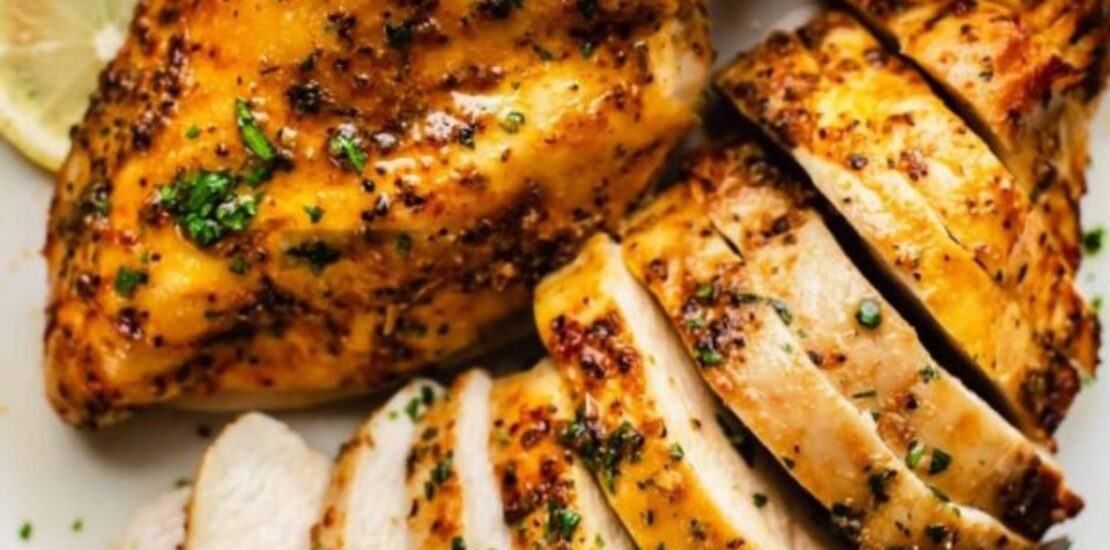
This recipe is designed to yield exceptionally juicy chicken breasts with a perfect blend of garlic, herbs, and paprika. It’s great for meal prep, salads, bowls, wraps, sandwiches, pasta, rice dishes, and even as a protein-rich snack.
Ingredients (Serves 4)
-
4 boneless skinless chicken breasts (150–200g each)
-
2 tablespoons olive oil
-
1 tablespoon lemon juice
-
1 teaspoon smoked paprika
-
1 teaspoon garlic powder
-
½ teaspoon onion powder
-
1 teaspoon dried oregano
-
½ teaspoon dried thyme
-
1 teaspoon salt
-
½ teaspoon black pepper
-
Optional: ½ teaspoon chili flakes
-
Optional garnish: fresh parsley, lemon wedges
Step-by-Step Instructions
Step 1: Prep the Chicken
Start by trimming any excess fat or connective tissue. Pat each breast dry with a paper towel. Removing moisture helps the seasonings adhere properly and promotes even browning.
Step 2: Pound or Butterfly for Even Cooking
If your chicken breasts are uneven — thick on one end and thin on the other — place them between two sheets of plastic wrap and gently pound with a rolling pin or meat mallet until they reach even thickness (about 1.5–2 cm).
This step ensures the chicken cooks uniformly and stays juicy.
Step 3: Create the Marinade
In a small bowl, combine:
-
Olive oil
-
Lemon juice
-
Garlic powder
-
Onion powder
-
Paprika
-
Thyme
-
Oregano
-
Salt
-
Black pepper
Mix well until a paste forms.
Step 4: Coat the Chicken
Rub the seasoning mixture thoroughly over each chicken breast, ensuring full coverage.
For deeper flavor, marinate:
-
Minimum: 30 minutes
-
Ideal: 2–4 hours
-
Maximum: Overnight
Marinating enhances tenderness and helps the spices penetrate.
Step 5: Cook the Chicken
You can use any method you prefer. Here are the two most foolproof ones:
Method A: Pan-Sear & Oven Finish (Best Flavor)
-
Preheat oven to 190°C (375°F).
-
Heat 1 tablespoon of oil in a skillet over medium-high heat.
-
Sear chicken breasts for 2–3 minutes per side until lightly golden.
-
Transfer skillet to oven and bake for 10–12 minutes, or until internal temperature reaches 74°C (165°F).
Method B: Oven Only (Easiest & Most Consistent)
-
Preheat oven to 200°C (400°F).
-
Place chicken breasts on a baking sheet lined with parchment paper or foil.
-
Bake for 18–22 minutes depending on thickness.
-
Check internal temperature — it should read 74°C (165°F).
Step 6: Rest the Chicken
Once cooked, let the chicken rest for 5–7 minutes.
This allows juices to redistribute, ensuring maximum tenderness.
Step 7: Slice & Serve
Slice against the grain into strips or cubes. Garnish with lemon wedges or herbs.
Serving Suggestions
Boneless skinless chicken breast pairs beautifully with countless sides. Here are some combinations to turn your simple protein into a complete meal:
Healthy Options
-
Quinoa with roasted vegetables
-
Brown rice and steamed broccoli
-
Mixed greens and vinaigrette
-
Cauliflower mash
Comfort-Food Pairings
-
Garlic mashed potatoes
-
Creamy pasta
-
Homemade mac & cheese
-
Buttery roasted potatoes
High-Protein Meals
-
Chickpea salad
-
Lentil pilaf
-
Greek yogurt dip with grilled vegetables
International Variations
-
Serve with tzatziki for a Mediterranean twist
-
Add salsa and avocado for a Mexican bowl
-
Pair with coconut rice for a tropical flair
-
Drizzle with soy-ginger glaze for Asian-style chicken
Recipe Variations
1. Lemon Herb Chicken Breast
Add zest of one lemon and swap paprika for rosemary.
2. Honey Garlic Chicken Breast
Add 1 tablespoon honey and 1 teaspoon minced garlic to the marinade.
3. Cajun Chicken Breast
Replace seasonings with a bold Cajun blend.
4. Italian Chicken Breast
Use basil, oregano, and parmesan cheese.
5. BBQ Chicken Breast
Rub with smoked paprika, brown sugar, chili powder, and brush with BBQ sauce during cooking.
Troubleshooting & FAQ
Why is my chicken breast dry?
Because it was cooked past 74°C (165°F). Always use a thermometer.
How do I keep chicken breast juicy?
Marinate, cook evenly, don’t overcook, and rest before slicing.
Can I freeze cooked chicken breast?
Yes — up to 4 months in airtight containers.
Can I shred this recipe?
Absolutely — it makes excellent shredded chicken for tacos, salads, bowls, sandwiches, and casseroles.
Conclusion
Boneless skinless chicken breast is more than a simple protein — it is a blank canvas for creativity, a nutritional powerhouse, and an essential ingredient that rewards good technique with incredible flavor. When seasoned thoughtfully, cooked with care, and paired with vibrant sides, this humble cut of meat transforms into a delicious and satisfying meal appropriate for any occasion.
With the recipe in this article, you now have a foolproof method for achieving juicy, flavorful chicken breast every time. From meal prepping to gourmet dinners, from simple seasoning to bold marinades, the possibilities are endless. Mastering boneless skinless chicken breast is one of the best skills any home cook can develop, and with practice, you’ll find yourself creating dishes that rival your favorite restaurants.